

Fredericton Real Estate Market Update 2026
Fredericton Real Estate Market Update 2026
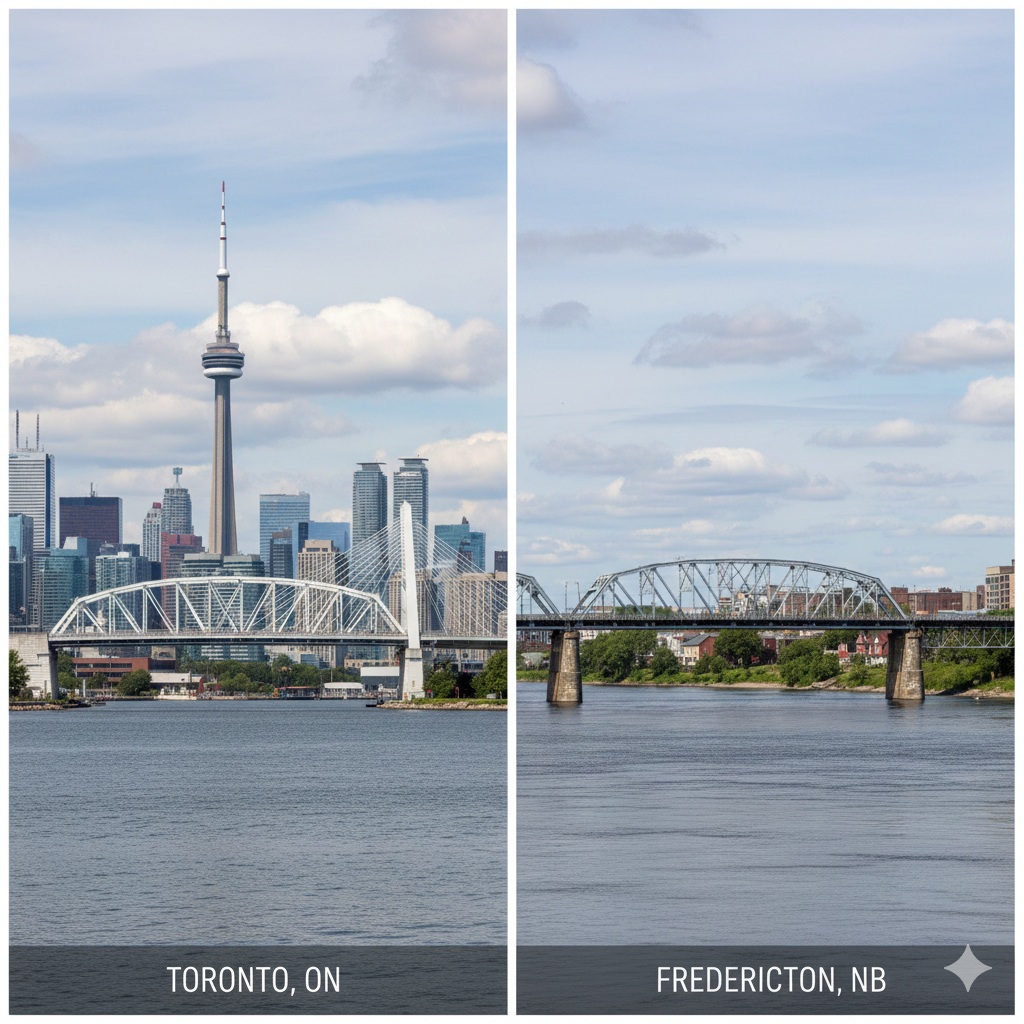
As 2026 unfolds, the Fredericton real estate market continues to demonstrate resilience, stability, and opportunities that starkly contrast with Canada’s largest urban markets — particularly Toronto. While both regions serve homebuyers and investors, their dynamics, growth patterns, demographic drivers, and lifestyle appeal differ in meaningful ways. This update examines current trends in Fredericton, compares them to Toronto’s market conditions, and highlights how factors like local amenities, schools, shopping, eateries, and family life influence real estate decisions in both places.
Market Fundamentals: Fredericton vs. Toronto Fredericton — Steady Growth, Balanced Demand
Fredericton’s real estate market in early 2026 reflects steady, moderate growth rather than rapid escalation. Median home prices have appreciated over the past year, though not at breakneck rates. In general:
Detached homes remain the preferred choice for families.
Semi-detached and townhome segments are gaining popularity among first-time buyers.
Condominiums attract downsizers, investors, and newcomers seeking affordability.
Fredericton’s market emphasizes sustainability rather than speculation. Inventory levels remain fair, and buyers typically see a reasonable window of negotiation. Sellers benefit from interest from both local buyers and newcomers relocating from larger cities seeking a quieter lifestyle with better value.
Toronto — High Demand, Affordability Pressures
By contrast, Toronto remains one of Canada’s most dynamic and expensive markets. Demand continues to outpace supply in key neighbourhoods, especially for single homes and desirable condos. Market characteristics include:
Strong investment activity from both domestic and international buyers.
High price growth in desirable urban pockets (e.g., Midtown, East York, Oakville, and the 905 region).
Persistent affordability challenges, particularly for first-time buyers.
Toronto still attracts professionals, investors, and families drawn by its economic opportunities, cultural diversity, and expansive urban infrastructure. However, housing prices — often well into the high six figures and seven figures — create pressure for affordability and lifestyle balance.
Price Trends: The Numbers
In 2026, Fredericton’s average home price generally ranges:
Detached homes: mid-$400,000s to low-$500,000s
Townhomes: low-$300,000s to mid-$400,000s
Condos: mid-$200,000s to low-$300,000s
These figures vary by neighbourhood (e.g., Southwood, Marysville, Nashwaaksis), but remain markedly affordable compared to larger Canadian cities. Inventory levels have increased slightly, giving buyers more choice and reducing the frenetic pace seen in earlier years.
Toronto, on the other hand, regularly maintains averages such as:
Detached homes: $1.3M – $1.8M
Townhomes: $900K – $1.2M
Condos: $600K – $800K
These broad figures illustrate the gap between smaller centres and major metro markets. Even with 2026 interest rate adjustments and market cooling measures, Toronto’s high costs continue to anchor its reputation as one of Canada’s most expensive real estate markets.
Inventory and Demand Fredericton: Balanced Market Conditions
Fredericton’s market in 2026 reflects a balanced buyer-seller dynamic. Demand remains consistent, especially from:
Local families
Professionals working remotely
Retirees seeking quality of life
Newcomers from larger cities prioritizing affordability
Because inventory is not chronically tight, buyers have more time to explore options, complete inspections, and plan moves without the stress of rapid bidding wars. Sellers still receive competitive offers where properties are priced well and marketed effectively, especially when staged and professionally presented.
Toronto: Competitive and Constrained
Toronto’s real estate continues to face inventory constraints, particularly for lower-density housing. Condo inventory has increased slightly, but:
Detached homes, especially in mid-range price brackets, remain scarce.
Buyers often face multiple offers, even in slower periods.
Well-priced properties in good condition still leave the market quickly.
This competitive environment makes timing, pricing strategy, and presentation crucial for buyers and sellers alike.
Neighbourhood Spotlight: Lifestyle Drivers Fredericton: Community, Convenience, and Quality of Life
Families in Fredericton often choose neighbourhoods based on amenities that support daily life and long-term enjoyment.
Southwood — A suburban favourite, offering easy access to grocery stores, neighbourhood services, and parks. Nearby Odell Park provides green space, family trails, playgrounds, and scenic picnic spots. Local eateries and cafes make weekday living easy.
Marysville — Known for its historic charm and close community ties, Marysville families enjoy walkable streets, coffee shops like local roasters, proximity to riverfront trails, and schools such as Forest Hill School. Shopping options are nearby, and essential services are a short drive away.
Downtown Fredericton — For families seeking vibrant living close to culture, the downtown area provides restaurants, boutique shopping, art galleries, and events like First Night Fredericton or open-air markets. Schools and community programs serve well for urban family life.
Nashwaaksis & Fredericton North — Growing residential hubs with easy access to larger shopping corridors, big box retailers, and family services. Local playgrounds, schools, and evening dining choices make these areas highly practical.
Schools and Family Amenities *Fredericton Schools
Fredericton’s public and private schools consistently receive good reviews from families seeking strong foundational education:
Forest Hill School
Leo Hayes High School
École des Bâtisseurs
Harvey Elementary
Many neighbourhoods also host after-school programs, community centres, and sports leagues — enhancing family engagement and child development.
Local Shopping and Eateries Fredericton
Fredericton’s shopping may not rival the scale of Toronto, but it offers practical convenience:
Northside Shopping District
Parkway Mall
Local boutiques downtown
Grocery chains and service providers
Eateries range from casual family spots to vibrant cafes. Local favourites often include fresh, community-oriented places where neighborhood ties enrich the dining experience. Seasonal food markets celebrate local growers and makers.
Market Outlook 2026 Fredericton
Growth will likely continue at a measured, sustainable pace. Population influx from other provinces and remote workers seeking affordability and quality of life bolster demand. Meanwhile, development remains proportional to demand, avoiding unsustainable price surges.
My Thoughts
Fredericton and Toronto represent two distinct Canadian real estate realities in 2026. Fredericton offers affordability, slower but healthy growth, family-friendly living, strong community amenities, and balanced market conditions. Toronto offers high demand, diversity of housing and lifestyle choices, world-class amenities, and dynamic job markets — but with significantly higher price points and competitive pressures.
For families seeking community, safety, quality schools, accessible shopping, and a balanced lifestyle without the strain of steep price growth, Fredericton stands out as a compelling choice. For those prioritizing economic opportunity, cultural diversity, and urban sophistication, Toronto remains a global-level market worth pursuing.
Whether you choose Fredericton or Toronto, understanding each region’s strengths — beyond just home prices — can help you find not just a house, but a home that supports your family’s lifestyle and long-term goals.